
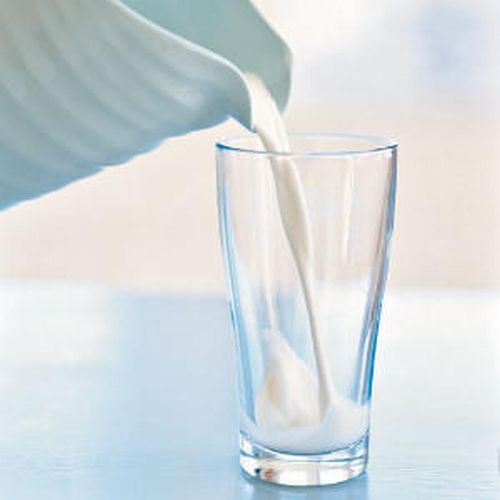
Why Drinking Milk Is Very Important For Your Health

Milk

For centuries, milk has been thought of as an “ideal” food. For most people, milk and milk products are still an important source of nutrition. But to some ignorant people, they just don’t get it. Below are just 10 good reasons why…..

1. Calcium Can Keep You Trim: A study of adolescent girls showed those who consumed the most calcium were also the leanest. Researchers have found that calcium at the cellular level causes fat to be broken down in the cell and speeds up the rate at which calories are burned.

2. Decreases the risk of kidney stones: It’s a myth that high calcium intake causes kidney stones. Most kidney stones are composed of calcium oxalate. And oxalate is chiefly responsible for stone formation. But calcium, by binding with oxalate in the intestine, decreases its absorption. With less oxalate the risk of stone formation is decreased.

LOWER BLOOD PRESSURE

3. Lowers the risk of breast cancer: Conjugated linoleic acid (CLA) present in milk slows the development of mammary tumours in animals. Postmenopausal women with high levels of CLA in their blood and fatty tissue have a 70% lower chance of breast cancer.

4. Less risk of colon cancer: Increased consumption of milk products has been shown to decrease the risk of colon cancer in both sexes by 40%. A huge benefit since colon malignancy is a major cause of death.

5. Fights hypertension: A study titled Dietary Approaches to Stop Hypertension (DASH), showed that people consuming a diet rich in fruits and vegetables have lower blood pressures. Add three servings of milk products and the blood pressure lowering effect is doubled. This results in fewer heart attacks and strokes. The DASH diet also lowers homocysteine levels, a risk factor in heart disease, the nation’s number one killer.

6. Fights Insulin Resistance Syndrome (IRS): People who are obese and have hypertension, decreased amounts of good cholesterol (HDL), impaired glucose metabolism and high blood triglyceride have what doctors call IRS. This combination of problems now affects 25% of the population and interferes with the body’s ability to control blood sugar. The end result is often diabetes which affects 5% of the population. Those who consumed a low level of milk products tripled their risk of developing IRS.

7. A natural treatment for the Premenstrual Syndrome (PMS): Studies show that women with PMS appear to have abnormalities in calcium metabolism. And that women taking 1,000 to 1,300 milligrams of calcium rich foods such as milk experience significant improvements in mood, behaviour, pain and bloating during the menstrual cycle.

8. Lowers the chance of developing ovarian malignancy: In a study of 588 women with ovarian cancer, those with the highest intake of milk and dairy calcium halved their risk of ovarian cancer. But calcium supplements and non-dairy food sources of calcium did not provide this protection.

9. Helps to keep teeth for a lifetime: Children are taught that calcium in milk helps to build strong teeth. But few know that milk protein and cheese fight the formation of dental plaque and help to coat the teeth. This decreases the amount of fermentable carbohydrate in the mouth and the risk of dental caries.

10. The prime way to stay out of a wheelchair: Too many people still haven’t heard the message that milk and dairy products are the prime way to combat brittle bones. It’s a tragedy that young people are drinking huge amounts of soft drinks loaded with sugar when they should be drinking milk. Consuming three glasses of milk daily builds strong bones early in life. Later, as we age we lose bone, so having powerful bones in youth is the best insurance policy to stay on your feet rather than in a wheelchair.

*Note
One point of common interest in nearly all the reasons to drink milk is that calcium pills don’t have the same good effects as the calcium and other nutrients found naturally in milk.
What do you think of this post?
  • Awesome (0)
  • Interesting (0)
  • Useful (0)
  • Boring (0)
  • Sucks (0)

Pre Workout Fuel

Preworkoutfood

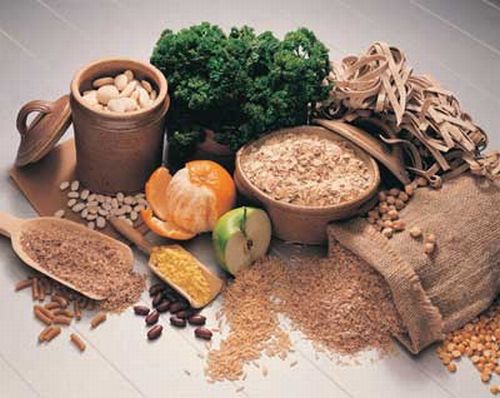
Here are some good slow digesting (low glycemic index) pre workout foods:

1. Apples
2. Oranges
3. Grapes
4. Grapefruit
5. 1/2 cup of pasta
6. A few slices of whole grain bread
7. Oats
8. Yogurt
9. Nuts
10. 1/2 cup of brown rice

Let’s be realistic though, there are times when you don’t have time to eat 2 to 3 hours before working out. In this case, you should turn to faster digesting foods which will give you a quick short burst of energy. They should be eaten 20 to 60 minutes before your workout.

Here are some good fast digesting (high glycemic index) pre workout foods:

1. Bananas
2. Raisins
3. Energy Bars

* NOTE
Here are some of the factors affecting how foods are rated:

* How much fiber is in a food.
Foods with higher fiber content take longer to digest.

* Sugar content.
Sugar is quickly digested and released into the blood stream.

* Fructose (fruit sugar).
Fructose is a simple sugar, but takes longer to digest because it must go to the liver first to be
converted into glucose and then sent back to your bloodstream where your body can use it for energy.

* Raw or cooked.
Cooking makes a food more digestible. Raw foods take longer to digest.

* Protein content.
Approx. 65 percent of protein becomes glucose, but it takes 6-8 hours to do so. Foods with protein take
longer to digest.

* Fat.
Fat takes longer to digest, and therefore has a stabilizing affect on blood sugar.

* Processing.
Processed foods tend to have fiber removed, and therefore are quickly digested.

What do you think of this post?
  • Awesome (0)
  • Interesting (0)
  • Useful (0)
  • Boring (0)
  • Sucks (0)

Supplements Can Not Compare To Eating Real Food

suppvsfood

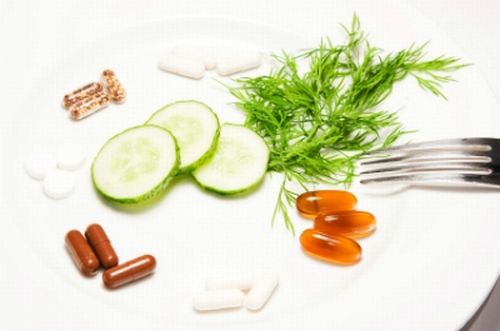
When it comes to boosting antioxidant intake, research indicates there is little benefit from ingesting supplements. A better way, according to nutritionists at the Mayo Clinic, Rochester, Minn., is eating a diet rich in antioxidant-containing foods.

Antioxidants such as vitamins C and E, carotene, lycopene, lutein, and many other substances may play a role in helping to prevent diseases such as cancer, cardiovascular disease, macular degeneration, and Alzheimer’s disease. Antioxidants are thought to help because they have the ability to neutralize free radicals, which are toxic by-products of natural cell metabolism. The human body does produce antioxidants, but the process is not 100% effective and that effectiveness declines with age.

Foods, rather than supplements, may boost antioxidant levels because they contain an unmatchable array of antioxidant substances. A supplement may contain a single type of antioxidant or even several. However, foods have thousands of different kinds, and it is not known which of these substances confer the benefits.

Some of the better food sources are berries (blueberries, blackberries, raspberries, strawberries, and cranberries); beans (small red beans and kidney, pinto, and black beans); fruits (many apple varieties with peels, avocados, cherries, green and red pears, fresh or dried plums, pineapple, oranges, and kiwi); vegetables (artichokes, spinach, red cabbage, red or white potatoes with peels, sweet potatoes, and broccoli); beverages (green tea, coffee, red wine, and many fruit juices); nuts (walnuts, pistachios, pecans, hazelnuts, and almonds); herbs (ground cloves, cinnamon or ginger, dried oregano leaf, and turmeric powder); grains (oat-based products); and dessert (dark chocolate).

Though supplements containing antioxidants generally are considered safe, two recent studies have suggested that taking higher than recommended doses of supplements such as Vitamin E over time actually may be harmful and possibly toxic. In contrast, many foods higher in antioxidants offer an array of health benefits, such as being high in fiber, protein, and other vitamins and minerals and low in saturated fat and cholesterol.

What do you think of this post?
  • Awesome (0)
  • Interesting (0)
  • Useful (0)
  • Boring (0)
  • Sucks (0)