The health dangers ingested sugar creates when habitually imposed upon human physiology are certain. Simple sugars have been observed to aggravate asthma, muster mental illness, move mood swings, provoke personality changes, nourish nervous disorders, hurry heart disease, deliver diabetes, grow gallstones, hasten hypertension, add arthritis, and on top of all of that…It will kill you!
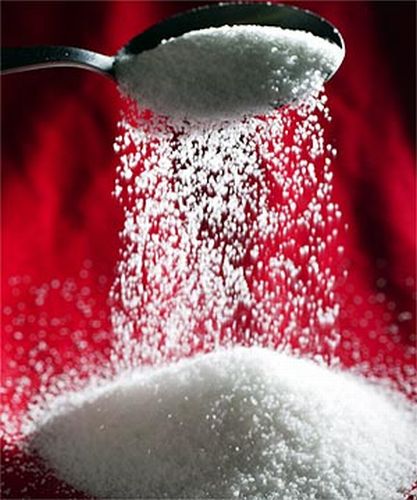
Certain harmful refined dietary sugars (which are specifically discussed below) almost always turn directly into fat! Glucose, Fructose, Sucrose, Galactose, Maltose, and actose are digested and absorbed with such speed that the body must convert them into saturated fats. Saturated Fatty Acids are “sticky” by nature, and, when introduced into the vascular system, clog arteries, increase the chance of stroke, diabetes, and definitively decrease athletic performance.
Muscle mitochondrial cells (internal energy cell units that produce muscle movement) break down 6-carbon glucose molecules for all muscle energy. One of the byproducts of the energy cycle is a 2-carbon acetate, vinegar. Acetates form the building blocks for cholesterol. If Acetates are produced faster than they can be burned, enzymatic reactions within our cells “join” Acetates end-to-end to make excess cholesterol and saturated fat, which makes red blood cells sluggish, sticky, and inefficient, deposits excess saturated fatty acids around organs and in subcutaneous skinfolds, or, deposits clogs of cholesterol within the vascular system, impeding blood transport of vital nutrients and oxygen to peripheral muscle cells.
Unfortunately for those of us who enjoy the moment of sweet taste, this process tends to go one way, i.e. sugar transforms to fat; but fat tenaciously tends to remain as fat deposits, and only severe starvation or extreme caloric expenditures will mobilize it as a burnable fuel source. Most of our organs burn off fat for their fuel needs, which is why master’s aged athletes store more fat around organs than do younger athletes, simply from the passing of time and the nature of human physiology.
The brain, as an organ, commands a pre-eminent role in the sugar equation. Human survival and efficient maximal performance depends upon this organ’s need for specific fuels such as glucose, glutamic acid, or ketones to be constantly supplied. If glucose is absent, low from a dietary insufficiency, or perhaps from high caloric expenditure during intense muscular exercise, the body must harvest or convert it from two tissue stores: amino acids found in lean muscle mass, or chemistry from the adrenal glands (activity/secretion) initiates a conversion process which transforms liver and/or muscle glycogen stores into glucose.
A diet high in refined carbohydrates stimulates an abnormal pancreatic insulin response in order to moderate blood sugar levels, while high sugar intake may also increase adrenal cortisone and cholesterol levels fourfold. Constant high intake of simple dietary sugar over-stimulates or “burns out” normal, healthy pancreas and adrenal function. Sub-normal or lackluster performance of these two important endocrine glands leads directly to adult-onset diabetes, cardiovascular complications, hypoglycemia, and chronic fatigue. The direct result of high sugar intake is a significant increase in blood serum saturated fatty acids, which depresses the oxygen transport system dramatically during athletic performance. Red blood cells stick together and move slower, delaying delivery of much needed oxygen to muscle cells. Cellular hypoxia is the constant companion of numerous degenerative diseases previously mentioned.
Because refined dietary sugars lack vitamins and minerals, they must draw upon the body tissue micronutrient stores in order to be metabolized into the system. When these storehouses are depleted, metabolization of fatty acid and cholesterol are impeded, contributing to higher blood serum triglycerides, cholesterol, promoting obesity due to higher fatty acid storage around organs and in subcutaneous tissue folds. Increased obesity contributes to increased cholesterol levels by lowering resting metabolism. A lower resting metabolic rate has been implicated directly to feelings of fatigue or lack of energy, increased rate of aging, arthritis, and coronary heart disease. Athletes need a high metabolic rate for a minimal body fat percentage and explosive energy expenditure upon demand.