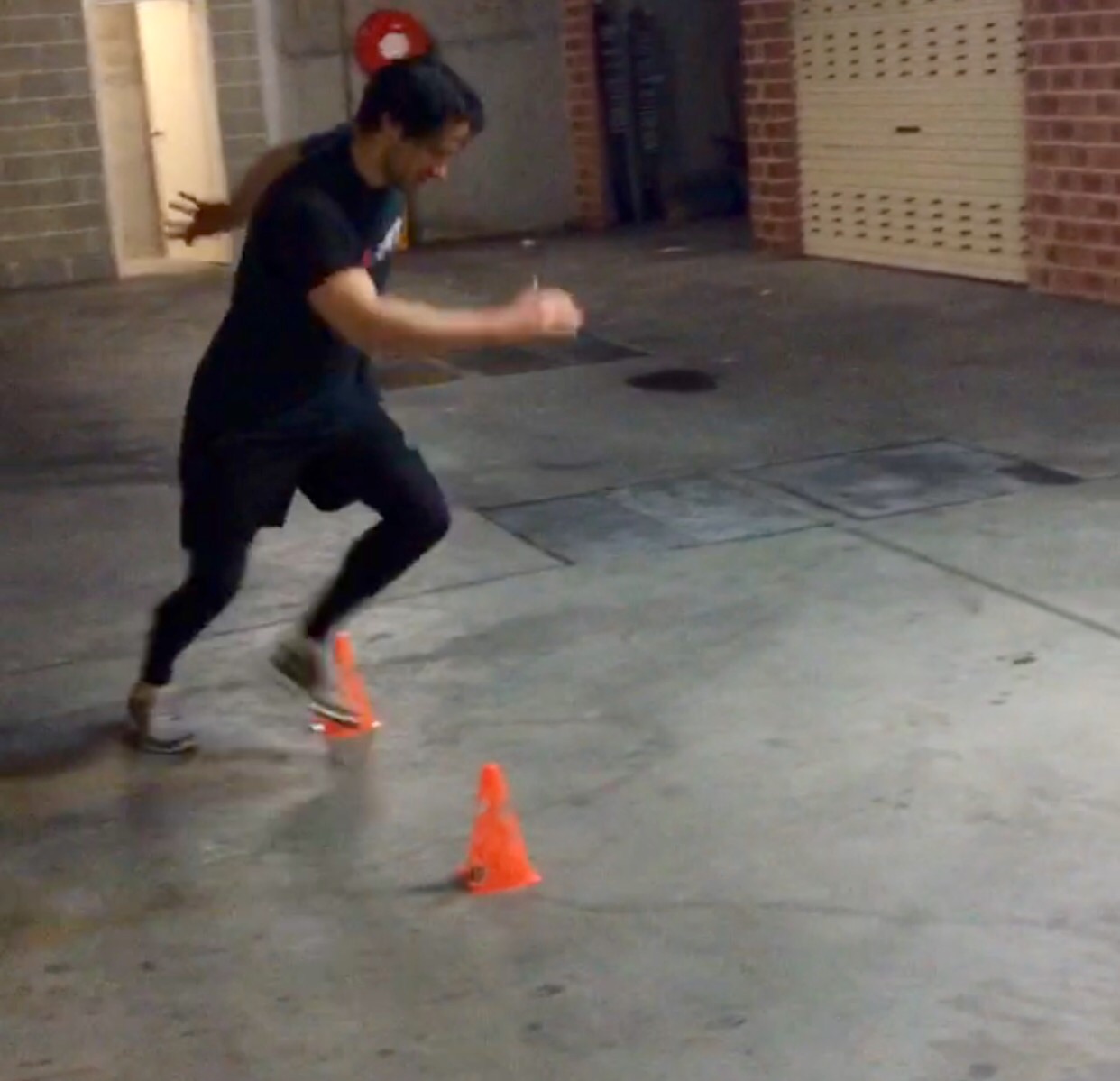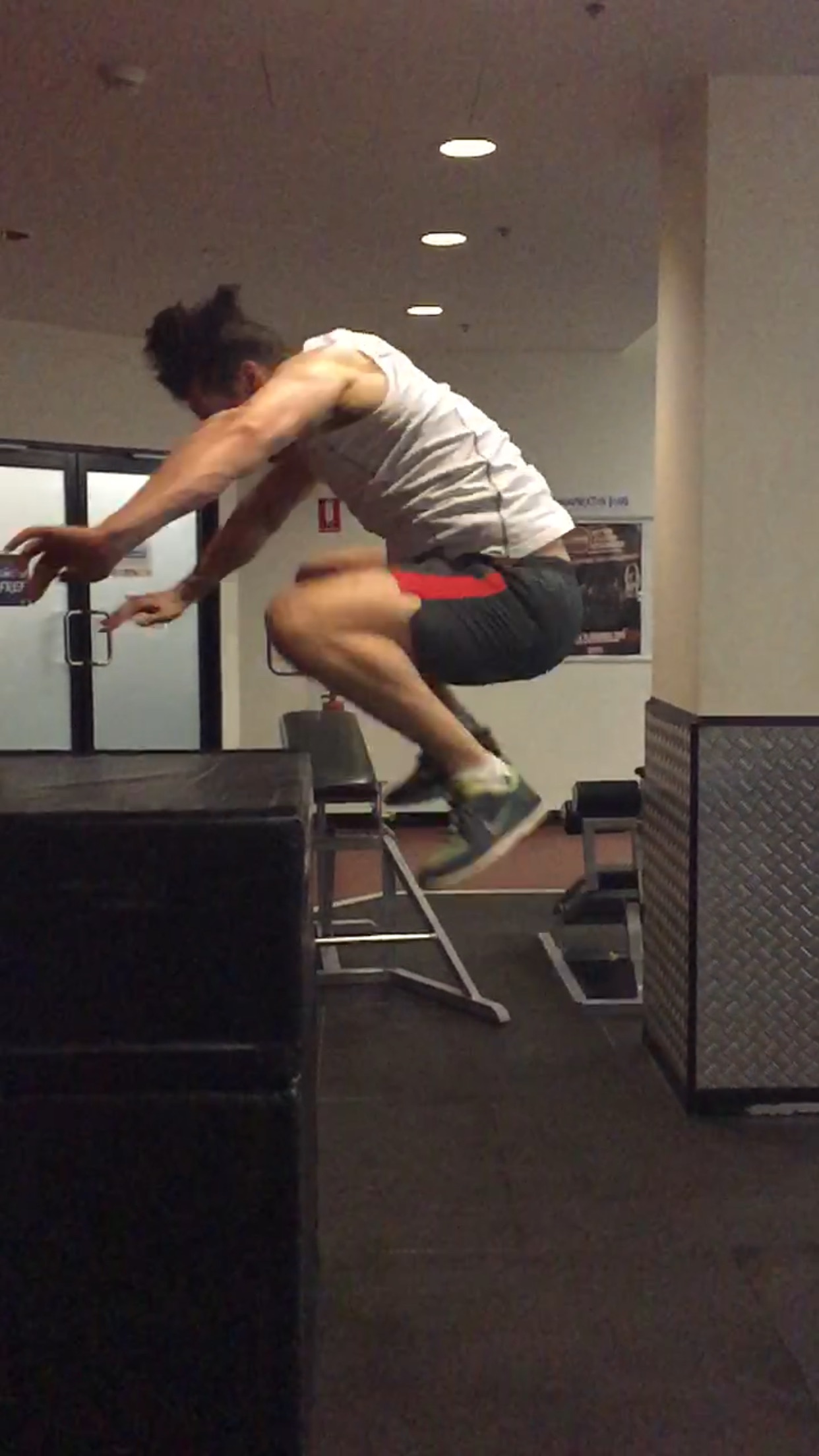
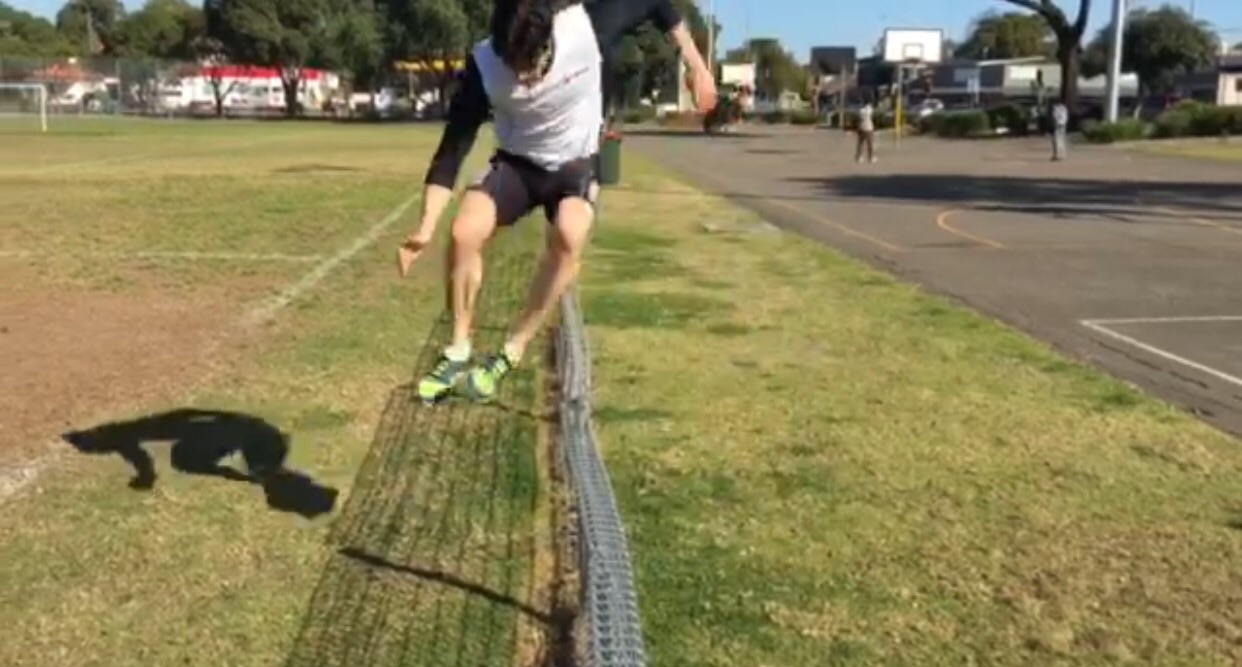
Lateral plyometric jumps are advanced exercises that can be used to develop power and agility. The vast majority of athletes perform workouts and exercises that focus on forward motion, but it’s also important for athletes to include exercises that target powerful, and stable, lateral motion exercises as well.
If you play a sport that incorporates any sort of side-to-side movements, practicing these moves during training is crucial.
Lateral movements not only improve strength, stability and coordination, they also help reduce the risk of injuries by enhancing balance and proprioception through the whole body.
They improve overall hip, knee and ankle joint stability. Lateral drills also help build more balanced strength in the muscles of the lower body, including the hip abductors and adductors.
These lateral drills will improve sports performance, and reduce the risk for sports injuries, particularly for athletes who frequently, or abruptly, change direction, cut or pivot. Athletes who benefit the most from side-to-side agility drills are those who play field and court sports (soccer, basketball, football, rugby and tennis), as well as skiers, skaters, gymnasts, and even rock climbers.
Athletes need to maintain power, control and balance during fast side-to-side lateral motion and transitions.
In general, an athlete can generate power in two ways: (1) using his own body weight, or (2) pushing or throwing something heavy.
Plyometric movements are one of the easiest and most effective ways for athletes to generate and increase power. The lateral plyometric jump is one exercise that primarily uses an athlete’s body weight to generate power.
Before doing the lateral plyometric jumps, a good place for athletes to begin building lower body power is by doing simple agility drills (such as ladder drills and dot drills) then slowly build up to tuck jumps. Other good additions to the plyometric routine include: all-out sprints, stair running/bounding, and burpees.